

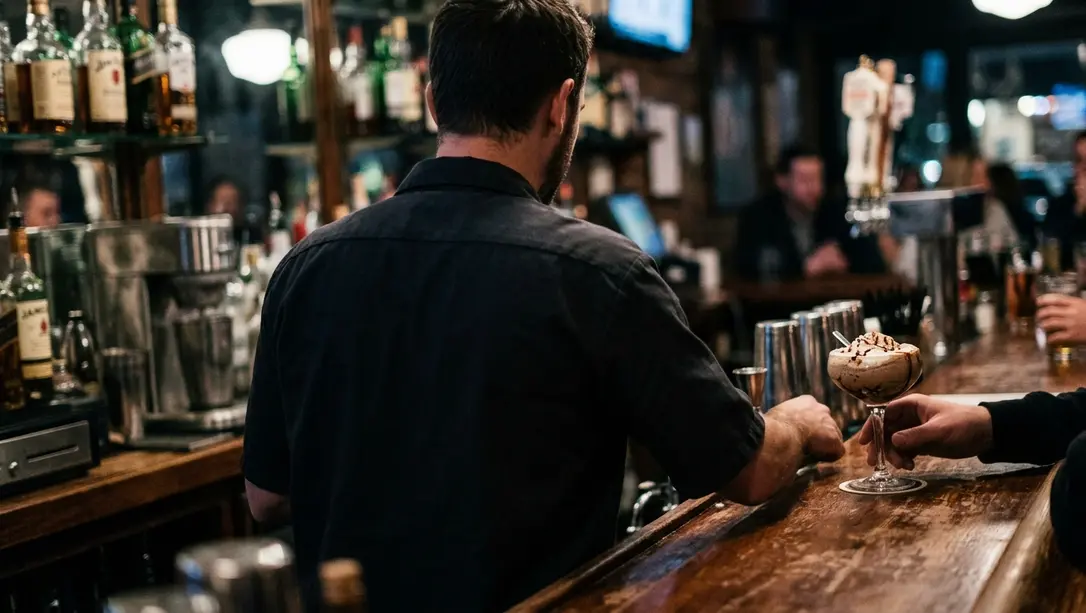
A great adult milkshake starts in the same place as a great cocktail: with the bottle, not the blender.
The secret is not more syrup, louder chocolate, or a heroic pile of whipped cream. The perfect adult milkshake does not mask cheap alcohol with overwhelming sugar; it asks for the same premium spirits and bitter-sweet balance that a sharp bartender brings to a stirred drink. Dairy is not a hiding place for neutral vodka. It is a plush, cold canvas for oak, spice, botanicals, salt, and controlled sweetness.
What's Inside
- Rethinking the Spiked Shake
- The Architecture of Dairy and Distillates
- Contextualizing the Shake on a Gourmet Menu
- The Tombstone Blueprint: Bourbon and Bitters
- The Science of the Final Pour
Rethinking the Spiked Shake
Start with the spirit, then build the shake around it
The usual bad adult shake has a familiar path: pour in a neutral spirit, cover the burn with syrup, then hope the straw finds something charming before the whole thing melts. That drink becomes cloying first and alcoholic second. The dairy mutes aroma while the sugar hides imbalance without adding structure.
A better bartender works in the opposite direction. Choose the base spirit, then ask what sweetness, fat, salt, and bitterness will expose or dull it. A rye wants a different frame than bourbon. A botanical gin needs a lighter hand than dark rum. Even a vanilla shake can be either soft and nostalgic or spicy and grown-up, depending on what rides through the butterfat.
The most useful comparison is a side-by-side build. Make one shake with a neutral spirit and extra syrup. Make the other with a premium botanical or aged spirit and a restrained sweetener. Taste both within 15-25 minutes of blending so texture loss does not become the main variable. The first usually tastes like dessert trying to apologize for liquor; the second tastes like a cocktail that happens to be cold and creamy.
Summary: Treat the shake as a dairy cocktail. Adjust bitterness or salt after the first blend instead of reaching for another spoonful of syrup.
The Dirty Pickle Martini standard
The Dirty Pickle Martini offers a useful standard of care. A proper version with Hendrick’s and pickle juice is not built by splashing brine until the glass smells like a deli barrel. It commonly sits in the 2-2.5 oz gin range, with brine added in measured increments until the salt, botanicals, and acidity snap into place.
That same discipline belongs in boozy shakes. A few drops or dashes can change the finish more cleanly than extra sugar. Salt can sharpen chocolate. Bitters can pull vanilla away from candy. A whisper of brine, used carefully, can make dairy feel more savory without making the drink taste like a stunt.
Speed matters too. Build and serve the shake inside a 5-8 minute window after pulling the ice cream from the freezer. Once ethanol and blender heat enter the mix, softening accelerates, and no garnish can bring back lost height.
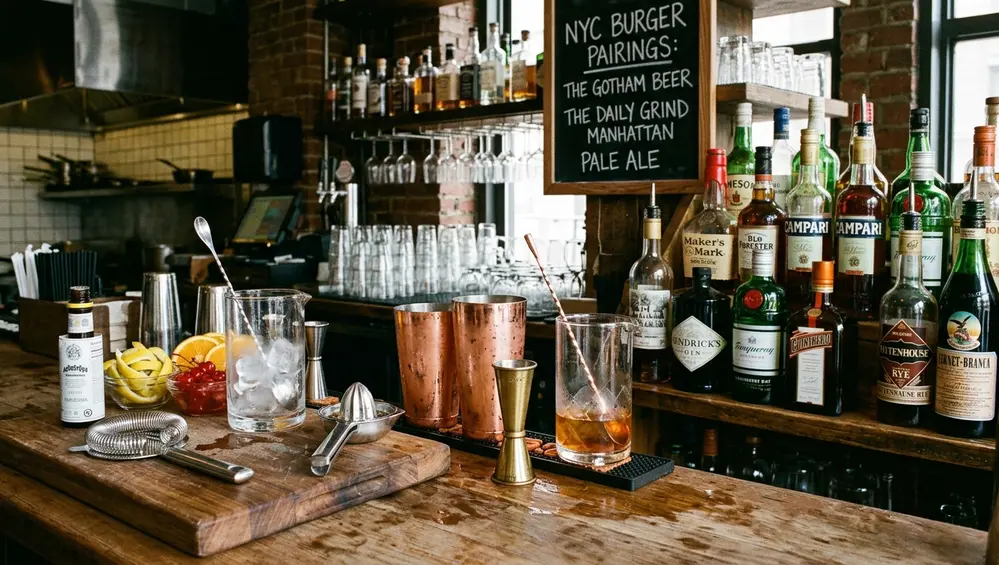
The Architecture of Dairy and Distillates
Butterfat is the flavor carrier
There is a reason an aged spirit blooms in a milkshake while a thin, clear pour disappears. Butterfat carries fat-soluble aroma compounds, so vanilla, oak lactones, caramelized barrel notes, and baking-spice aromas read more clearly in a shake than they would in a lean, watery mixer.
Premium ice cream earns its place here. A dense scoop, built with higher butterfat and lower overrun, resists the blender for the first 5-10 seconds instead of collapsing immediately. That resistance is not inconvenience; it is structure. It gives the finished drink body, keeps the spoon involved, and lets the spirit land slowly rather than flashing hot on the first sip.
These texture choices assume a full-dairy ice cream base; oat, coconut, and low-fat frozen desserts behave differently because their emulsifiers, fat type, and air content vary.
Why rye, bourbon, and dark rum speak louder
Aged rye, bourbon, and dark rum generally register more clearly against dairy than clear spirits because barrel compounds bring spice, tannin-like dryness, vanilla, and toasted sugar notes that contrast with lactose sweetness. The drink needs that contrast. Without it, a boozy shake can feel like melted ice cream with a warning label.
Michter’s rye is a strong choice for a spicy vanilla or chocolate base because its warming profile cuts through richness without turning abrasive. It brings peppery lift to the finish, especially beside cocoa or deeply toasted burger-shop flavors. Bourbon, by contrast, suits a rounder Tombstone-style build when the goal is soft caramel-vanilla integration instead of peppery contrast.
Quick Tip: If the menu leans into charred patties, smoked bacon, or salty sides & appetizers, rye often gives the shake enough backbone to keep pace.
Temperature control is not optional
The most avoidable mistake is also the most common: pouring room-temperature bourbon into softened ice cream and blending for 30-45 seconds. The result is heat, dilution, and a thin texture before the drink reaches the glass.
Chill the serving glass for 10-20 minutes. Chill the spirit for 1-3 hours. Then keep the blender run short, roughly 12-20 seconds after the mixture starts moving. Friction adds heat, and heat collapses the air structure that makes a shake feel thick rather than merely cold.
That small amount of prep changes the service. The straw stands taller. The first sip lands like custard. The last sip still tastes intentional.
Contextualizing the Shake on a Gourmet Menu
Is it dessert, cocktail, or burger companion?
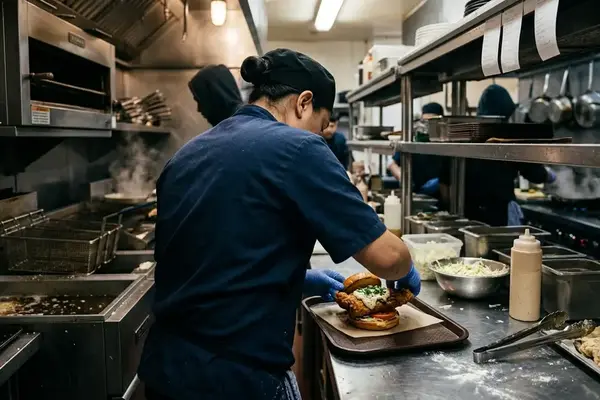
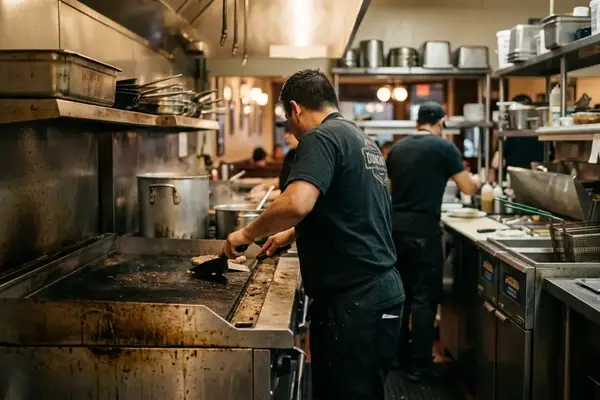
A beverage director has to place a boozy shake before the guest ever sees it. Is it dessert? Is it a cocktail? Or is it meant to sit beside a classic NYC dining burger with melted cheese and a salty griddled edge?
If it accompanies the burger, timing matters. Fire the shake after the burger is plated or within 2-4 minutes of pickup, so the guest receives both while the shake still has height. A spirit-forward vanilla or chocolate shake works best beside char, aged cheese, bacon, grilled onions, or a salty patty because bitterness and barrel spice offset fat and salt.
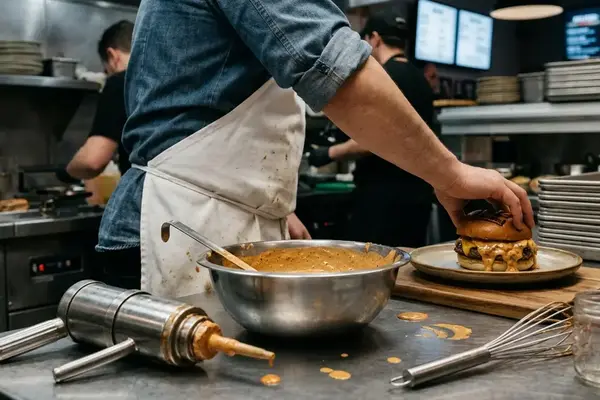
That is the dumont legacy at its best: generous, nostalgic, but never careless. The drink should make the burger taste more like itself, not compete with it for attention.
The counterweight problem
A heavy shake cannot carry a beverage program alone. Craft pilsners, pale ales, and dry lagers from breweries such as Sixpoint or Lagunitas bring carbonation and hop bitterness, which reset the palate faster than dairy between bites of a rich burger. They do the bright, brisk work a shake simply cannot do.
White wine teaches the same lesson. Argentinian Torrontes brings floral aromatics and fresh acidity. French Picpoul is valued for sharp citrus and saline lift. On historical or legacy-cellar menus, the 2004-2008 vintage range can serve as a reference point for how acidity and structure helped balance richer dishes, though it is not a blanket buying recommendation for current by-the-glass service.
That contrast is what keeps boozy shakes from feeling like a novelty. A strong beverage menu needs weight and lift, cream and carbonation, sweetness and bite.
Note: Place the shake where it can win. It shines beside char, salt, and aged dairy; it drags when paired with delicate fish, leafy salads, or anything that needs a clean citrus finish.
The Tombstone Blueprint: Bourbon and Bitters
A practical build for a grown-up vanilla shake
The Tombstone-inspired shake works because it understands restraint. Maker’s Mark brings soft wheat, caramel, and vanilla. Vanilla bean ice cream adds cream and perfume. Angostura bitters steps in at the end and keeps the whole drink from sliding into birthday-cake territory.
- Chill a 12-16 oz glass until it feels cold in the hand.
- Pull vanilla bean ice cream from the freezer for 3-6 minutes, just long enough to scoop cleanly.
- Add 3 large scoops of ice cream to the blender.
- Measure 1.5-2 oz Maker’s Mark and pour it over the ice cream.
- Blend briefly, only until the mixture moves as one thick mass.
- Add 2-4 dashes Angostura bitters, then pulse once or stir by hand.
- Serve immediately with a wide straw and spoon.
Rock-hard ice cream forces longer blending. Fully softened ice cream produces a thin drink before the alcohol is even added. The sweet spot is that short window when the scoop yields under pressure but still holds its shape.
Why bitters belong at the end
Angostura is small but loud. Its impact comes from concentrated gentian-like bitterness, warm spice, and botanicals rather than measurable dilution. Added after the first blend, it can be corrected in tiny increments. Added at the start, it can take over before the bourbon has a chance to speak.
Two dashes keeps the finish tidy. Four dashes leans more cocktail than dessert. Either way, the bitters cut through lactose sweetness and lift the botanical notes already tucked inside the bourbon.
Holding is the enemy. For a thicker service style, pour into the pre-chilled glass and serve immediately. After 7-10 minutes at room temperature, the drink loosens noticeably, losing the old diner counter magic that makes a milkshake feel like an event.
The Science of the Final Pour
Ethanol changes the frozen structure
A milkshake is not just cold dairy. It is ice crystals, dairy fat, sugar, and incorporated air held in a fragile arrangement. The blender forces those pieces together, and ethanol complicates the whole structure because it resists freezing inside the shake.
An 80-proof spirit is 40% alcohol by volume. Even a modest pour changes the freezing behavior of the blended base because ethanol lowers the freezing point of the water phase, the same principle discussed in food chemistry work on freezing point depression in dairy emulsions. The practical result is immediate: too much alcohol loosens the ice-crystal network and makes the drink pour thinner within minutes.
The spoon tells the truth. If the shake runs off in a continuous thin stream immediately after blending, the alcohol load, blend time, or starting temperature has already compromised the structure.
The mechanical ceiling
Flavor has a ceiling, but texture has one too. Keep the spirit at or below a 15% ABV ratio in the blender when the goal is a thick diner-style shake. Push past that point and the drink does not simply become more cocktail-like; it starts turning from spoonable to soupy.
That is why the best burger recipes and boozy shakes share the same discipline. A seared patty needs heat control. A shake needs temperature control. Both punish bravado.
Exceeding a 15% ABV ratio in the blender will permanently damage the structural integrity of the shake, turning a thick diner classic into watery soup. Pure ethanol freezes at around -173°F.

Leave a Comment